Understanding the Role of Dietary Fats in Hormonal Health for Men and Women
- James Bradley
- Feb 1
- 3 min read

Dietary fats often get a bad reputation, but they play a crucial role in maintaining hormonal balance and overall health. Hormones regulate many body functions, including metabolism, mood, and reproductive health. Since men and women have different hormonal systems, their fat needs also differ. This post explores why fats are essential in your diet and how men and women can tailor their fat intake to support their unique hormonal health.
Why Dietary Fats Matter for Hormones
Fats are more than just a source of energy. They are building blocks for hormones, especially steroid hormones like estrogen, testosterone, and cortisol. These hormones control vital processes such as growth, stress response, and reproduction.
Hormone production depends on cholesterol, a type of fat found in the body.
Fat helps absorb fat-soluble vitamins (A, D, E, and K), which influence hormone function.
Healthy fats support cell membrane integrity, allowing hormones to communicate effectively between cells.
Without enough dietary fat, hormone production can slow down, leading to imbalances that affect mood, energy, and reproductive health.
Types of Fats and Their Impact on Hormones
Not all fats are created equal. The quality of fat you consume affects hormone health differently.
Healthy Fats to Include
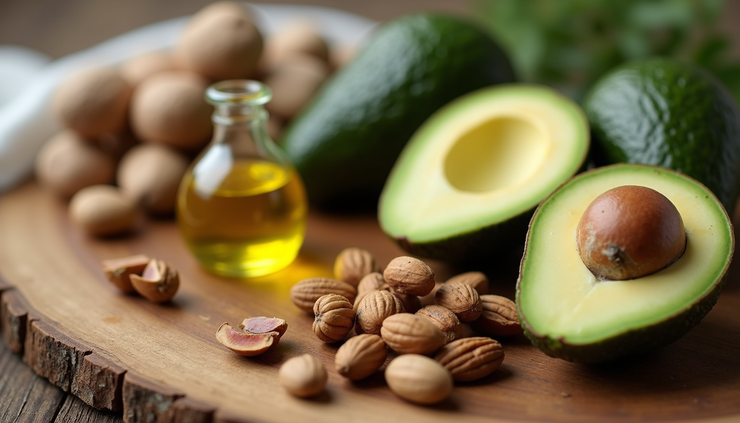
Monounsaturated fats: Found in olive oil, avocados, and nuts. These fats support heart health and hormone production.
Polyunsaturated fats: Omega-3 and omega-6 fatty acids found in fatty fish, flaxseeds, and walnuts. Omega-3s reduce inflammation and support hormone balance.
Saturated fats: Present in coconut oil, butter, and animal fats. Moderate intake supports hormone synthesis but excessive amounts may cause issues.
Fats to Limit
Trans fats: Found in processed foods and some margarines. These fats disrupt hormone function and increase inflammation.
Excess omega-6 fats: While necessary, too much omega-6 from processed oils can promote inflammation and hormone imbalance.
How Fat Needs Differ Between Men and Women
Men and women produce different hormones in varying amounts, so their fat requirements also vary.
Women’s Fat Needs
Women rely heavily on fats for estrogen production, which regulates menstrual cycles, fertility, and bone health. Low-fat diets can lead to irregular periods or amenorrhea (absence of menstruation).
Women need enough fat to maintain healthy estrogen levels.
Essential fatty acids support pregnancy and breastfeeding.
Healthy fats help manage symptoms of menopause by supporting hormone balance.
Men’s Fat Needs
Men require fats to produce testosterone, which influences muscle mass, libido, and mood.
Adequate fat intake supports testosterone production.
Healthy fats help reduce inflammation that can impair hormone function.
Men may benefit from omega-3s to support heart health and hormone balance.
Practical Tips for Balancing Fat Intake for Hormonal Health
For Women
Include sources of omega-3 fatty acids such as salmon or chia seeds at least twice a week.
Use olive oil as your primary cooking fat.
Avoid very low-fat diets, especially if experiencing menstrual irregularities.
Incorporate nuts and seeds for healthy fats and fiber.
For Men
Eat fatty fish like mackerel or sardines regularly.
Include moderate amounts of saturated fats from quality sources like grass-fed butter.
Limit processed foods high in trans fats.
Balance omega-6 intake by reducing processed vegetable oils.
Signs You May Not Be Getting Enough Healthy Fats
Fatigue or low energy
Mood swings or irritability
Irregular menstrual cycles in women
Low libido or sexual dysfunction
Dry skin or hair loss
If you notice these symptoms, reviewing your fat intake and quality can be a good first step.
How to Incorporate Healthy Fats Into Your Daily Diet
Start your day with a handful of nuts or seeds.
Add avocado slices to salads or sandwiches.
Cook with olive oil instead of butter or margarine.
Snack on olives or nut butters.
Include fatty fish in meals several times a week.
The Role of Fat in Hormonal Disorders
Certain hormonal disorders like polycystic ovary syndrome (PCOS) in women or low testosterone in men can improve with dietary fat adjustments.
In PCOS, omega-3 fats may reduce inflammation and improve insulin sensitivity.
Men with low testosterone might benefit from balanced fat intake to support hormone production.
Always consult a healthcare provider before making major dietary changes, especially if managing a health condition.


Comments